Let Numbers Talk
83+
Years in Business
→90+
Countries
→3,200+
Products
→35K+
Successful Shipments
→Precision, Quality & Scientific Excellence
Shiv Dial Sud & Sons, brand name Supertek, founded in 1943 is widely recognized as a leading and trusted manufacturer of Educational Teaching Aids, Laboratory Glassware and Essentials. We are an ISO 9001:2015 Quality Systems Certified Organization. With almost eight decades of experience, we are the leading exporter from India.
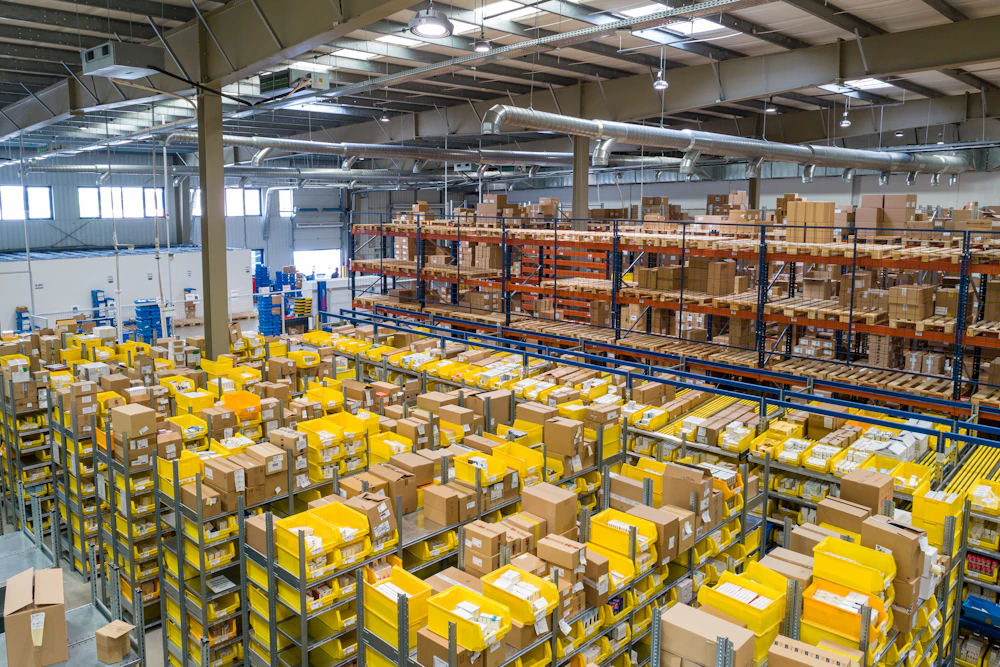
Our state-of-the-art manufacturing facilities are located in Ambala, India. It consists of 5 Production Units well equipped with high-precision machinery for mass production of standard parts, electronic and electrical divisions, glassware units, electroplating and powder coating lines, as well as facilities for plastic moulding and metal casting.
Our comprehensive product portfolio is designed to meet the diverse requirements of educational institutions.
Explore Our Product Categories
Comprehensive range of scientific, laboratory and educational products for diverse needs
Laboratory Glassware
Explore category ↗
Laboratory Plasticware
Explore category ↗
Benchtop Equipment
Explore category ↗
Physics
Explore category ↗
Chemistry
Explore category ↗
Biology
Explore category ↗
Lab Accessories
Explore category ↗
Separation & Filtration
Explore category ↗
Xperimentor
Explore category ↗Why Choose Supertek?
Quality You Can Trust
Reliable scientific products designed with a focus on quality and consistency.
Scientific Precision
Laboratory essentials for research, measurement and everyday scientific work.
Global Reach
Serving laboratories, educational institutions and distributors worldwide.
Extensive Product Range
Glassware, scientific instruments, laboratory equipment and educational aids.
Educational Solutions
Scientific products for classrooms, colleges and teaching laboratories.
Customer-Focused Support
Helpful assistance in finding products suited to your laboratory needs.
Built for Every Scientific Need.
Multiple possibilities.
Distributors & Resellers
Helping channel partners expand their offering with a comprehensive range of scientific products.
OEM & Custom Solutions
Tailored product solutions for specialized applications, industrial requirements and evolving business needs.

How can we help you?
Leave us a message by filling out the form below if you would like more information about our products, or have any questions about us as a company.
Upcoming Events
Didac India 16th Edition
ASIA LABEX 2027
Arab Lab KSA
FAQs
Laboratory glassware is made from borosilicate glass — heat-resistant, chemically inert, and ideal for precise volumetric measurements and high-temperature reactions. Laboratory plasticware is made from synthetic polymers such as PP, PC, HDPE or PTFE — lightweight, shatter-proof, and best suited for cold storage, biological samples and general-purpose lab use. Most professional laboratories use both materials, selecting based on temperature, chemicals, and safety priorities.
No. Plasticware cannot fully replace glassware. Glass is essential for high-temperature experiments, distillation, reflux, and precise volumetric measurements. Plasticware cannot be used safely above 135°C (PP) or for precision volumetric work. The two materials complement each other — the best-equipped labs use both strategically.
It depends on the specific chemical. Borosilicate glass resists most acids, bases and organic solvents. Among plastics, PTFE has the widest chemical resistance. PP and HDPE resist most acids and alkalis but can be attacked by some organic solvents. Polycarbonate and polystyrene are damaged by organic solvents. Always check a chemical resistance chart for your specific combination.
Schools should use both. Plastic labware is safer because it does not shatter — reducing injury risk. Glass is necessary for titrations, heating experiments, and precise volumetric work. Recommended approach: plastic for general handling and storage, glass for experiments requiring heat, accuracy or chemical reactions.
Polypropylene (PP) and PTFE are the safest choices for most laboratory acids. PTFE resists virtually all acids, including hydrofluoric acid, which dissolves all glass. PP is a cost-effective option for dilute to moderate concentrations. Avoid polycarbonate, polystyrene and acrylic with any acid — they crack, craze or dissolve.
Check the product specification. Genuine borosilicate laboratory glassware will be marked as ‘Borosilicate 3.3’, ‘Type I’, or compliant with ISO 3585 or ASTM E-438. Reputable manufacturers like Supertek provide full material certificates with every order. If glassware is not explicitly documented as borosilicate, do not use it for heating or chemical work.