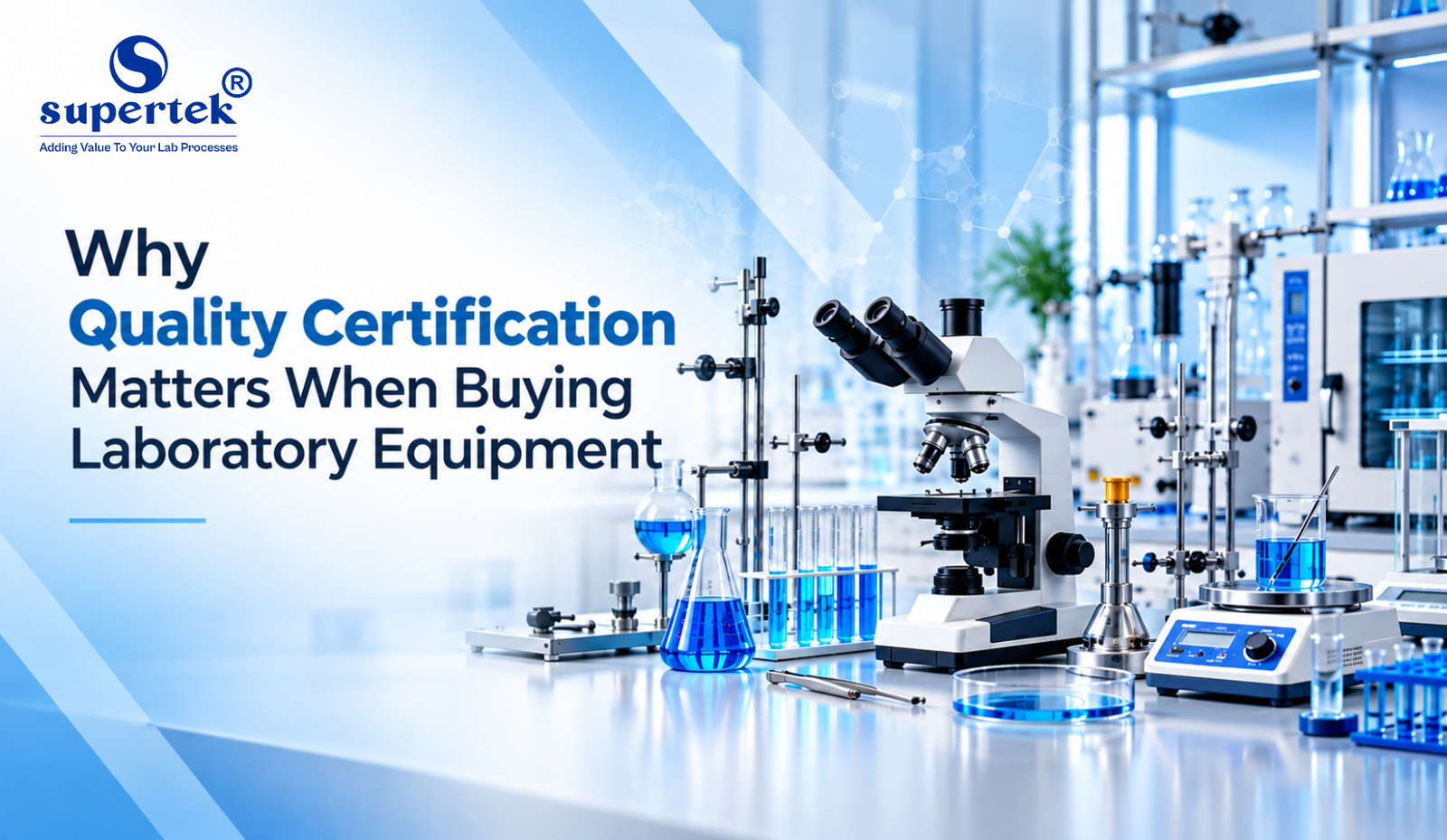
When buying lab equipment, checking quality certification is very crucial. A certified item shows that an independent body has tested it and confirmed it meets certain safety and performance standards. This implies the equipment went through strict evaluation procedures exceeding what any producer can assert by themselves. Purchasing laboratory equipment that is certified ensures accuracy, safety and dependable results over time in any test or research setting.
The Risk of Uncertified Equipment
Laboratory tools which are not certified may seem to work properly at first sight, but they involve significant dangers. Without confirmation from an outside party, we cannot be sure that the equipment operates regularly or safely in actual working situations. Mistakes in measurement, early failures or safety problems can all originate from equipment that did not undergo correct validation. In laboratories where exact outcomes are mandatory, using tools without certification can jeopardize whole research projects and lead to problems with following rules.
Also Read: All You Need to Know About Laboratory Beakers and Flasks
How Certification Protects Your Results
The trustworthiness of laboratory results depends on the instruments that produce them. When equipment comes with reputable certifications, it shows that its accuracy, consistency and durability have been checked. This directly safeguards the validity of your findings. No matter if it is a device for calibration, an instrument for testing materials or a tool for chemical analysis, equipment with certification guarantees that your data remains valid and satisfies the expectations of clients, regulatory bodies and even peer reviewers.
Compliance With Industry and Regulatory Standards
A lot of industries and government organizations need laboratories to use equipment that has certification as part of their process for accreditation. Certifications for quality assure that the equipment follows standards either on a national or international level, which makes it more simple for laboratories to pass checks and keep their accreditation. Not having certification for the equipment can lead to failed audits, losing your accreditation, or maybe even legal issues based on the sector. Picking certified tools from the beginning can completely eliminate these problems with compliance.
Visit this link to Register to Become our Dealer & Distributor
What to Look for in Certified Laboratory Equipment
All certifications do not have the same importance. It is necessary to know which certifying organizations are accepted in your industry and location. Search for certifications given by independent testing agencies or those that follow ISO standards, BIS rules, or other suitable structures based on your field of work. You should request documents and traceability records from suppliers. A trustworthy supplier must willingly give complete certification details and support any questions you have about the testing procedure.
Long Term Cost Efficiency
Many people believe that certified laboratory equipment is more expensive. While it’s true that the initial cost may be higher sometimes, you can save a lot in the long run. Equipment without certification often needs repairs, recalibration or replacement sooner than expected. This could also result in expensive mistakes during research or production processes. Buying certified equipment cuts down time when not in use, increases how long it can be used for and removes regular costs associated with unreliable tools.
Making the Right Purchase Decision
Supertek provides laboratory tools that satisfy the necessary quality standards needed in today’s research and testing settings. When you are considering any purchase, do not just focus on cost and looks. Examine closely its certifications, inspect test records and think about how this tool will function over a long period of time in your particular use case. Quality certification is not a bonus feature – it forms the base for dependable laboratory work. Giving it priority when purchasing safeguards your lab, team and the trustworthiness of your results.
Supertek has earned a reputation as one of the most trusted manufacturers of Educational Teaching Aids, Laboratory Glassware, and Laboratory Essentials. As an ISO 9001:2015 certified organization, we are committed to maintaining the highest standards of quality and reliability. Supertek has grown into a leading exporter from India, serving customers in more than 80 countries across the globe.

 +1 (630) 345-3450